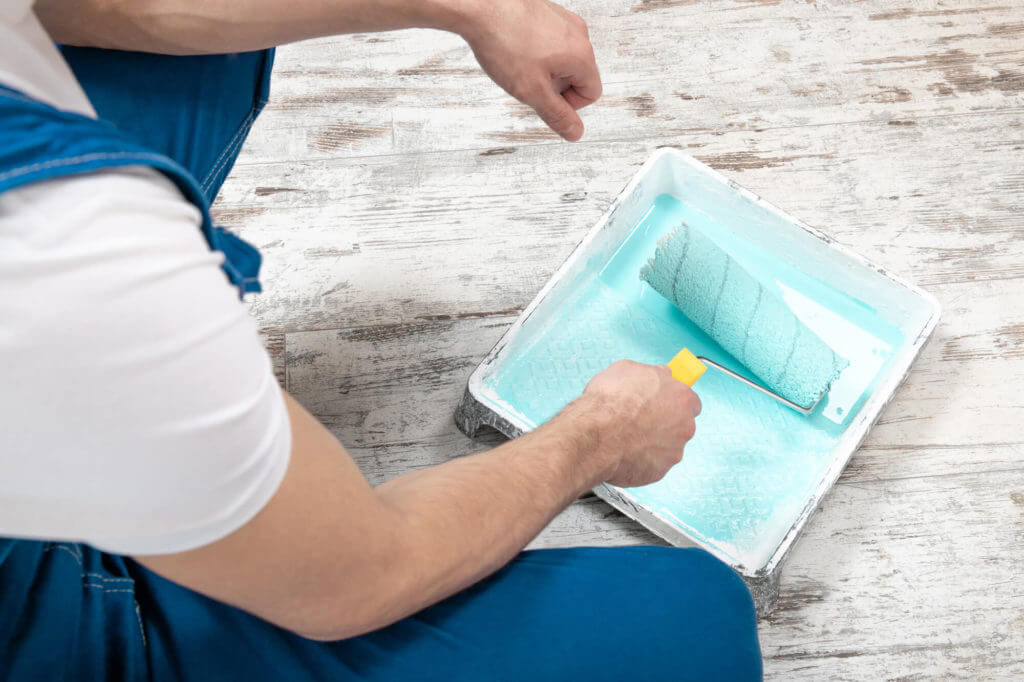
You feel the urge to finally begin that next painting project that you’ve been putting off. Whether it’s your kitchen, the outside of your home, or the face of your business, you’re dedicated to the project, knowing that a fresh coat of paint will transform your space.
There’s only one problem: what paint should you choose?
Paint varieties are much more than color preferences. Understanding the different types of paint available matters for achieving lasting, beautiful results. From eco-friendly to finish types to latex, oil, and specialty paints for commercial painting, making the right choice can be overwhelming—and expensive.
ProServ Painters is here with another helpful guide to ensure that you pick the right paint for your project!
Why Choosing the Right Type of Paint Matters
Selecting the right type of paint ensures a durable, beautiful finish. While the right kind of paint is satisfying, the wrong kind of paint can lead to issues such as peeling, fading, or poor adhesion—costing homeowners more in the long run.
What Are the Different Types of Paint?
Water-Based Paints
Water-based paints, like latex, are the most common type of interior paint. They’re available in a wide range of paint sheen levels, from matte to super-glossy, making them easier to apply and simple to clean. Latex remains a popular choice for wall and ceiling paint, and it is low in VOCs, making it an environmentally friendly option and safe for home painting.
With low odor, easy cleanup, and a fast drying time, water-based paints are the recommended paint for DIY projects such as walls and ceilings.
Latex Paint
Latex paint is the most common type of paint for walls and ceilings, due to its durability, smooth finish, and easy application. Latex paints are often the most affordable, with great color retention. They’re suitable for high-moisture and high-traffic areas, though they can be prone to fading over time, and may be less durable than comparable paints, even with their variable sheen levels.
Acrylic Paint
Acrylic paint is a flexible, long-lasting option that resists cracking and fading with time. It’s a great choice for interior and exterior applications, and with its ability to adhere to a variety of surfaces, it’s often the choice in homes and businesses with variable temperatures. Acrylic paint expands, making it less likely to crack or peel. It’s also water-resistant, making it the ideal option for bathrooms, kitchens, and other high-moisture areas.
Oil-Based Paints
Oil-based paints are less popular than they once were, mostly because of their more difficult application and disposal. Oil-based paints provide a durable, hard finish that looks professional and polished—but it’s a good idea to hire a professional if you want to go this route.
This paint takes a long time to dry, is difficult to apply, and has strict regulations for disposal. A local painting professional can navigate the complexities of oil-based paints, especially if you want to utilize them for interior home applications. Oil-based paints can also be expensive, making incorrect application even more frustrating and costly.
Enamel Paints
Enamel paints are high-gloss and hard-surfaced. They’re created with a mixture of solvents or water-based liquids and resins that harden when exposed to air. Enamel paints leave a strong, durable finish that’s ideal for metal, cabinets, and appliances. Their tough, glossy coating is perfect for surfaces that require frequent cleaning, and these paints stand the wear and tear of time. As with oil-based paints, however, enamel paint application is best left to the professionals.
Specialty Paints
Speciality paints—such as chalk or epoxy—are unique options designed for specific aesthetics and functions. While these paints go beyond standard finishes to create textures, effects, or added protection, they can be difficult to apply, especially if you are a DIY homeowner new to painting projects.
Chalk
Chalk paint’s matte, vintage-style finish is used for furniture makeovers and accent walls. It’s relatively easy to apply, with minimal prep work and the ability to create a rustic, shabby-chic look.
This water-based paint can be used with various finishes and waxes to give it a matte look that’s very popular with fans of farmhouse vintage. Chalk paint can be thinned with water for a sheer finish, though this paint needs to be re-waxed every few years for maintenance.
Milk
Milk paint is an environmentally-friendly option made from milk proteins, lime, and natural pigments. It’s a popular choice for furniture restoration, and is often sold in powdered form, meaning you need to mix it with water before use. Milk paint has a distressed, vintage look with a slight sheen, in contrast to chalk paint’s matte finish.
Milk paint is an eco-friendly, natural alternative to other paints, providing a smooth, antique finish. It’s also biodegradable, making it ideal for those who want a sustainable painting option.
Epoxy
Exposy paint’s exceptional durability and resistance to chemicals and wear make it a popular choice for businesses and high-traffic spaces.
Anti-Mold
Anti-mold paints are a smart choice for bathrooms, kitchens, and other humid climates. These paints help prevent mildew and moisture damage, making them ideal in moist environments or within spaces where moisture is an issue.
The Best Types of Paint for Different Surfaces
Paint for Ceilings
Ceiling paints are formulated to minimize drips and provide even coverage. They are less prone to daily wear, though ceilings do become dull from grease, smoke, and dust—especially ceilings in kitchens and bathrooms. Flat or satin sheens can help cover imperfections, and are designed to be thicker, to create a smooth and seamless look.
Paint for Walls
Professionals like to use flat paints to hide flaws, but these paints aren’t the most durable. Satin paint is often a better choice because it’s durable and easier to maintain. We recommend using paint with extra agents to resist mold and moisture, especially in bathrooms and kitchens.
For children’s rooms and common spaces, you want to use paints that are designed for high-traffic areas—they’re ideal for kitchens, hallways, etc. Semigloss or gloss finishes are great for kitchen walls, as they’re easier to clean. Glossy surfaces are better at handling frequent cleanings, and walls need durable, washable paints that can withstand everyday wear. Latex or acrylic paints in eggshell or satin finishes are the best for most interior walls.
Paint for Cabinets
Cabinets require durable paints that can withstand marks, grease, and moisture. Enamel or oil-based paints are good options because they provide a hard, smooth finish that’s resistant to cleaning. Semigloss is recommended for cabinets, especially in kitchens and bathrooms. These paints stand up to daily wear, and while high-gloss paints are an option, they often stand out in mixed environments. Chalk paint is also an option for cabinets and other kitchen surfaces, as the matte finish hides imperfections.
Paint for Wood Furniture
Furniture benefits from paints that adhere well and highlight texture, such as chalk or milk paint, giving a vintage look. Acrylic enamel provides a modern, glossy finish that’s attractive in crowded spaces.
When painting wood furniture, it’s important to choose a reliable paint type, such as satin or semigloss. Furniture is a frequently used item, meaning it’s a good idea to use paints that stand up to wear, tear, and cleaning. We recommend using a primer on darker wood to provide a more solid base coat.
Paint for Bathrooms
Bathrooms require additional considerations when choosing paint. Not only do you have to paint the walls and ceiling, but you have to consider paints that excel in high-moisture areas, or paints that are mold and mildew-resistant. Bathroom paints need to hold up over time, such as semigloss or high-gloss paint, which are easier to wipe down and clean. Ask your local paint shop professional to add mildew-resistant additives to your paint or finish.
Paint for Trim
Trim, baseboards, doors, windows, and moldings need durable, high-sheen paints that withstand cleaning. Semi-gloss or gloss enamel paints give a polished, professional look, accentuating woodwork and adding contrast.
Types of Paint Finishes and Sheens
Flat or Matte Finish
Flat or matte finishes are ideal for low-traffic areas, such as ceilings, adult bedrooms, offices, etc. They can hide surface imperfections but are less washable than glossier options. We recommend using these finishes when a soft, elegant look is desired outside of high-traffic areas.
Eggshell
Eggshell finishes offer a subtle sheen with enhanced durability versus flat paint. It’s best for living rooms, dining rooms, hallways, and other high-traffic areas that may be subject to wear, tear, and cleaning.
Satin
Satin paints are ideal for bathrooms and kids’ rooms. They provide a smooth, glossy surface that reflects light and is easier to clean.
Semi-Gloss
Semi-gloss finishes are highly durable, moisture-resistant, and easy to clean. They’re recommended for trim, doors, cabinets, etc, where durability and shine are essential.
Gloss Finish
Gloss paints are the shiniest, most reflective option. They offer a sleek, modern look that’s perfect for accent pieces, furniture, or trim, where you want to make a bold statement and stand out against other pieces of the room.
Interior vs. Exterior Paints: What’s the Difference?
The differences between interior and exterior paints come down to composition, durability, color, finish, coverage, drying time, and more. Paint specialties are more than just aesthetic options—the right paint for the job can make things easy or difficult, affect durability and performance, and improve the look of your home.
Composition
Pigments, resin, solvents, additives, and other components alter the performance of paint. Core differences lie in the ingredients and proportions of these compounds. Interior paints such as latex paints create a smooth and washable finish, with their resins making them more resistant to marks. Exterior paints can withstand harsh weather, extreme temperatures, and more. Their durability comes from oil-based or acrylic resins and other additives that protect against UV rays, moisture, and wear.
Durability
Interior paint is durable, but it is designed to resist stains and marks. It can resist fading beneath normal interior conditions.
Exterior paints are durable, but their durability helps them resist outdoor conditions such as direct sunlight, heavy rain, heat, and cold. They are long-lasting, and resist fading, peeling, and mildew.
Color and Finish
Color and finish choices for interior and exterior paints vary based on aesthetics, fade resistance, glare reduction, etc. Exterior paints need to maintain their color and luster even under harsh conditions, while interior paints have a wider range of colors and finishes.
Mold and Mildew Resistance
Mold and mildew resistance is crucial for both types of paint. Exterior paint needs to be resistant to rain, snow, and changing conditions, while interior paints need to resist mold and mildew buildup that occurs in bathrooms and kitchens. Both paints can be exposed to moisture and humidity, but the additives in exterior paint prevent advanced mold growth.
VOC Levels
Volatile organic compounds are harmful chemicals that affect air quality and have a negative effect on your health. Interior paints have lower VOC levels than exterior paints, and you can even buy zero-VOC options for improved air quality.
Coverage
How much paint do you need for your project? Interior paints offer great coverage and smooth application, requiring fewer coats. Exterior surfaces are commonly porous or uneven, and require multiple coats for full coverage. Surface condition and color can impact total coverage, especially if you are painting wood or brick.
Drying Time
Interior paints dry faster than exterior paints, though total drying time depends on the brand, quality of the paint, and environmental conditions. Exterior paints are thicker to withstand outdoor conditions, which means they can take longer to dry. Humidity, sunlight, and temperature also affect drying time.
In essence, interior paints are made for beauty, easy cleaning, and low odor. Exterior paints are built to resist weather, UV rays, and temperature changes. It’s important not to mix up the two, as it can affect your entire painting project.
How to Choose the Best Type of Paint for Your Home
Choosing the best paint for your home is more important than picking a paint color. Homeowners have to pay attention to additional considerations, such as finishes, which impact everything from cleanliness to appearance.
Buying the correct type of paint prevents having to redo your painting project later. Paint finish comes in flat, satin, semigloss, or gloss, though some manufacturers will use terms like matte or eggshell. Sheen affects durability and appearance; a higher sheen means a more durable finish.
While paint sheen has plenty of variety, and one brand’s eggshell might be different than another, ultimately, they adhere to a standard. Sheen can change how you perceive color—white paint may appear brighter with a glossy finish, which can be more desirable in rooms with many windows.
Surface material, room function, lighting, and desired durability are all considerations that homeowners must make before choosing paint. When tackling a DIY project, it’s important to think beyond color itself, and focus on finish, longevity, and maintenance needs.
Frequently Asked Questions
What types of paint last the longest?
Oil-based and high-quality acrylic paints typically last the longest due to their durability and resistance against fading or chipping.
Which type of paint is best for interior walls?
Latex or acrylic paints are best for interior walls because they’re fairly easy to clean, quick-drying, and low in VOCs. Eggshell or satin finishes are perfect for both beauty and durability.
Does the type of paint finish change the color?
While the pigment remains the same, paint finish affects how colors appear under light. Glossier finishes reflect more light, which makes colors appear brighter, while matte finishes give a softer, deeper tone.
What’s the difference between latex and acrylic paint?
While both latex and acrylic paint are water-based, acrylic paint contains more acrylic resins, offering better flexibility and weather resistance, ideal for exterior painting. Latex paints, in contrast, are more affordable and better for large indoor areas.
Get Expert Help Choosing The Right Paint – Contact ProServ Painters Today!
ProServ Painters came into being because of a simple need: we wanted to be the best option for painting homes, repairing drywall, and offering service with a smile. While you can hire a general contractor or tackle a project yourself, you won’t find the same benefits, quality, or stress-free experience that professionals like ProServ can offer. Plus, we offer more services to more locations in our area, meeting homeowners and business owners where they are.
Contact us today for a FREE, no-obligation estimate. Our expertise in helping homeowners select and apply the perfect paint for any surface or style is what makes us the best painting company in the area.