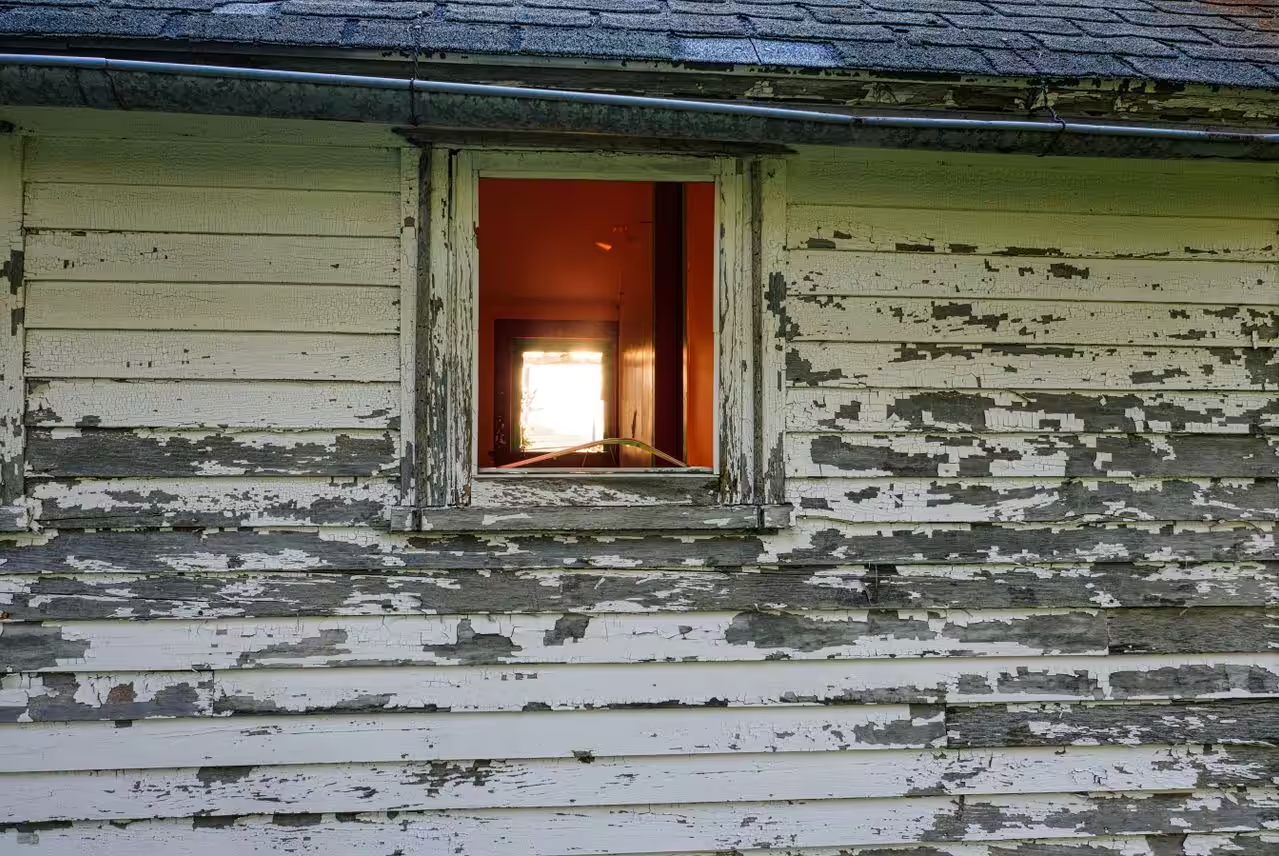
Peeling exterior paint is much more than a cosmetic nuisance. When you spot paint flaking off your siding, trim, or fascia, it’s usually a warning sign of an underlying issue—most often trapped moisture, poor surface preparation, structural defects, or a complete coating failure. Ignoring it doesn’t just make your property look neglected; it exposes the raw substrate beneath to rot, pest infestations, and costly structural decay.
If you’re wondering how to stop exterior paint from peeling, this practical guide is tailored specifically for Massachusetts homeowners. Here is what causes exterior paint problems, how to repair damaged surfaces step-by-step, and how to protect your home’s exterior for years to come.
Why Is My Exterior Paint Peeling?
Understanding why peeling paint on a house exterior occurs in the first place is the key to preventing it from coming right back after a fresh coat. Exterior paint loses adhesion when the bond between the paint layer and the underlying surface breaks down.
Moisture and Water Damage
Moisture is the single biggest enemy of exterior paint. Roof leaks, overflowing gutters, cracked caulk, or damp siding trap water beneath the paint film. As that moisture tries to escape—especially when warmed by the sun—it expands, creating vapor pressure that forces the paint film off the wood or masonry.
Poor Surface Preparation
You can buy the most expensive paint on the market, but it won’t hold if the surface isn’t prepped. Painting directly over dirt, loose flaking paint, chalky residues, or active mildew creates a barrier that prevents proper bonding. The new paint sticks to the dirt, not the home.
Painting on a Dirty or Wet Surface
Applying paint to wood or masonry that hasn’t dried thoroughly after power washing or heavy rain traps moisture inside. Similarly, oil, dust, or environmental pollution left on the siding prevents latex and oil-based coatings from forming a strong grip.
Old or Failing Paint
Paint doesn’t last forever. Over time, older paint layers become brittle and lose their flexibility. If you apply a fresh coat over multiple layers of aged, unstable paint without scraping or stabilizing them, the added weight of the new coat can cause the entire system to pull away.
Wrong Primer or Paint
Incompatible coatings often cause premature failure. For instance, applying a latex topcoat directly over an old glossy oil-based paint without proper sanding or a bonding primer leads to rapid peeling. Skipping primer on bare wood or porous masonry yields similar results.
Harsh Weather and Exterior Exposure
Exterior surfaces take a beating every day. Rapid temperature swings cause building materials to expand and contract. Over time, constant UV radiation, winter frost, and heavy rainfall break down paint binders, causing the film to crack and peel.
What Does Peeling Exterior Paint Look Like?
Recognizing how to fix peeling paint on the outside of a house begins with spotting the early signs of paint breakdown before water damages the structure underneath.
Peeling vs. Flaking vs. Blistering
| Condition | Visual Appearance | Primary Cause |
| Blistering | Raised bubbles or pockets beneath the paint surface. | Moisture vapor trapped inside or painting in direct, intense heat. |
| Flaking | Small, thin pieces of paint lifting and breaking off. | Aging, brittle paint coats or lack of primer on bare wood. |
| Peeling | Large strips or sheets of paint pulling away from the wood. | Severe moisture intrusion or fundamental adhesion failure between coats. |
Where Exterior Paint Peeling Commonly Starts
- Peeling usually starts in areas exposed to persistent dampness or high wear:
- Rooflines and Fascia Boards: Exposed to overflowing gutters and ice dams.
- Window Sills and Trim: Flat surfaces where water pools rather than drains.
- Wood Siding Joints: Gaps where failed caulk allows rain to creep behind panels.
- Bottom Edge of Siding: Proximity to soil, splashback, and rising dampness.
How to Fix Peeling Paint on Outside of House
To fix peeling paint permanently, follow a thorough repair sequence. Slapping a fresh coat over failing paint only guarantees it will peel again in a few months.
1.Find and Fix the Cause:
Critical Prerequisite.
Before touching a scraper, resolve the root cause of the moisture or surface issue. Clear clogged gutters, fix roof leaks, adjust sprinklers spraying the house, and repair leaking downspouts.
2. Remove Loose and Peeling Paint:
Use a firm putty knife or carbide scraper to remove all flaking and loose paint until you reach a firm, solid edge where the existing paint adheres tightly to the substrate.
3. Sand and Feather the Edges:
Sand the perimeter of the scraped areas using medium-grit sandpaper (80 to 120 grit). Feathering—smoothing out the hard transition line between bare wood and intact paint—ensures the patch won’t show through the final topcoat.
4. Clean and Dry the Surface:
Scrub away dirt, chalking residue, and mildew using a cleaning solution or pressure washer. Allow the wood to dry completely (checking with a moisture meter if necessary) before moving to primer.
5. Repair Cracks, Gaps, and Damaged Areas:
Fill gouges, cracks, or rotted wood sections with high-grade exterior wood filler or epoxy. Apply fresh exterior-grade elastomeric acrylic caulk around trim, door frames, and window joints.
6. Apply the Right Exterior Primer:
Apply a high-quality primer over all bare wood, repairs, and chalky surfaces to seal the area and provide maximum adhesion for the topcoat.
7. Repaint the Exterior:
Apply one to two coats of premium exterior acrylic latex paint under suitable weather conditions, adhering strictly to dry-time recommendations between coats.
What Is the Best Exterior Primer for Peeling Paint?
Finding the best exterior primer for peeling paint comes down to matching the primer to your specific surface and the problem you are fixing.
Primer for Bare or Weathered Wood
Bare wood absorbs moisture easily and expands. Use an exterior oil-based primer or a high-build, peel-bonding acrylic primer. Peel-bonding primers penetrate deep into weathered wood fibers and lock down the edges of remaining paint layers.
Primer for Previously Painted Surfaces
If you’ve scraped down to a firm, intact paint layer, apply a 100% acrylic exterior bonding primer. These primers flex with temperature changes and bond well to existing coatings.
Primer for Masonry and Other Exterior Surfaces
For concrete, stucco, or fiber cement, select an alkali-resistant masonry primer. These seal porous surfaces, block efflorescence (salt buildup), and resist high pH levels common in fresh masonry.
How to Stop Exterior Paint From Peeling
Preventive maintenance saves thousands of dollars over the lifespan of your home. Use these protective strategies:
Keep Gutters and Drainage Working Properly
Clean gutters twice a year so water flows away from your siding and soffits.
Maintain Caulking Around Exterior Openings
Inspect window, door, and corner trim joints annually. Replace cracked or missing caulk immediately to stop hidden water infiltration.
Keep Exterior Surfaces Clean
Wash off accumulated dirt, pollen, and mildew every season to preserve paint integrity.
Use the Right Paint and Primer
Avoid cheap paints. High-grade exterior acrylic latex paints feature flexible resins that stretch without cracking as temperatures shift.
Paint Under Suitable Weather Conditions
Never paint in rain, high humidity, freezing temperatures, or direct baking sunlight. Paint cures best between 50°F and 85°F on dry surfaces.
Exterior Paint Problems That Can Lead to Peeling
Peeling paint rarely happens out of nowhere. It is usually preceded by other visible exterior paint problems.
Paint Blistering
Blistering manifests as small-to-medium bubbles under the paint film. Caused by trapped moisture or solvent vapor, unaddressed blisters eventually pop, crack, and turn into wide peeling patches.
Cracking and Flaking Paint
Early-stage hairline cracks (alligatoring) occur when paint loses flexibility over time or when topcoats are applied over an un-cured undercoat. Once water enters these micro-cracks, rapid flaking follows.
Chalking and Fading
Chalking occurs when UV rays degrade the paint binder, leaving a powdery residue on the surface. Painting directly over chalk without washing and priming leads to severe peeling later on.
Failed Exterior Caulking
Caulk dries out, shrinks, and splits over time. Once caulk fails, driving rain seeps behind siding, saturating wood from the inside out and forcing paint coats to detach.
When Should You Repaint Instead of Spot-Repair Peeling Paint?
Not every peeling issue can be solved with a quick weekend touch-up. Knowing whether to perform localized maintenance or commit to a full exterior repaint comes down to overall surface health.
Small Areas of Peeling
If peeling is limited to a single trim board or a small patch on one wall due to an isolated leak you’ve already fixed, spot scraping, priming, and touch-up painting work fine.
Widespread Peeling Paint
When peeling is spread across multiple siding walls, it indicates a systemic failure—such as widespread moisture issues, lack of initial primer, or aged paint layers. In this scenario, localized patches will look uneven, and new peeling will keep popping up elsewhere. A full prep, scrape, and repaint is the only permanent solution.
Peeling Caused by Damaged Siding or Wood
If siding boards are soft, rotted, or crumbling under the paint, no primer will save them. The damaged substrate must be removed and replaced by carpentry specialists before painting.
Can You Fix Peeling Exterior Paint Yourself?
When DIY Peeling Paint Repair Makes Sense
Handling repairs yourself makes sense for single-story homes with minor peeling around accessible areas (like a porch railing or ground-level window frame), provided you have the patience for heavy scraping and sanding.
When to Hire Professional Exterior House Painters
For multi-story homes, hard-to-reach gables, extensive peeling, or complex moisture issues, calling professional exterior painters is safer and yields better results. Professionals possess specialized pressure-washing setups, scaffolding, commercial scrapers, and trade expertise.
Older Homes and Lead Paint Considerations
Homes built before 1978 in Massachusetts often have hidden layers of lead-based paint. Dry scraping, power sanding, or pressure washing lead paint releases toxic dust into your soil and air. ProServ Painters operates as a licensed Lead-Safe Renovation Contractor, using HEPA-contained scraping and containment procedures required by state and federal law.
Exterior Paint Peeling in Massachusetts
New England homes endure harsh environmental stresses year-round. The changing seasons subject exterior paint to a relentless, year-round cycle of weather-induced stress. During cold, freezing winters, frost and heavy ice dams force water under shingles and trim. As temperatures transition into wet, rain-heavy springs, this leads to a continuous, heavy moisture load that saturates exposed surfaces. Finally, hot, humid summers bake the siding with intense UV rays, degrading the paint’s binders and causing it to crack, blister, and peel.
Why Massachusetts Weather Can Affect Exterior Paint
Massachusetts weather presents an intense test for paint finishes. Nor’easters, freezing winter snow, ice dams, humid summers, and rapid spring temperature swings force exterior wood through extreme expansion and contraction cycles. Water trapped in siding freezes during winter, expanding and popping the paint off the surface.
Peeling Paint on Older Massachusetts Homes
Historic homes across Norfolk County feature gorgeous historic wood siding, but they often carry 50 to 100 years of layered paint history. Without deep surface stabilization, fresh paint coats fail quickly when applied over brittle antique primers.
Exterior Paint Repair in Canton and Nearby Communities
Homeowners in Canton, Milton, Sharon, Norwood, Westwood, Walpole, East Walpole, Foxboro, Dover, and Medfield face unique coastal-adjacent climate challenges. Protecting these properties requires localized knowledge of historical building practices and regional weather patterns.
Why Choose ProServ Painters for Exterior Paint Repair?
When dealing with stubborn paint failure, partnering with a trusted local company makes all the difference.
Thorough Exterior Surface Preparation
At ProServ Painters, we believe great paint jobs are 80% preparation and 20% application. We don’t paint over problems. We inspect siding, scrape loose paint, feather edges, repair wood damage, apply high-grade caulk, and coat surfaces with specialized bonding primers.
Experienced Local Exterior House Painters
With decades of experience serving South Massachusetts and the greater Boston area, our licensed and insured team understands local architecture and weather patterns. We treat your home with care, backing our work with quality warranties.
Interested in interior updates as well? Explore our interior painting and residential painting services. To avoid hidden costs on drywall touch-ups before painting inside, see our guide on how to avoid hidden fees and unexpected costs.
Free Estimates for Exterior Painting
We offer straightforward, transparent consultations. We will evaluate your peeling paint, identify the root cause, and provide a clear, line-item proposal tailored to your home’s needs.
Frequently Asked Questions About Exterior Paint Peeling
How do you stop exterior paint from peeling?
Identify and fix underlying moisture sources, remove loose paint, sand edges, clean thoroughly, apply an appropriate exterior bonding primer, and paint with high-quality exterior latex.
How do you fix peeling paint on the outside of a house?
Fix water leaks, scrape away flaking paint, sand transitions smooth, clean off dirt/chalk, seal cracks with caulk, prime bare areas, and finish with two topcoats of exterior paint.
Can you paint over peeling exterior paint?
No. Paint applied over loose or peeling paint will fall off quickly because the bottom coat lacks adhesion to the home.
What causes exterior paint to peel?
Common causes include moisture infiltration, dirty/wet surfaces during application, poor prep work, aging paint coats, temperature extremes, and incompatible primers.
What is the best exterior primer for peeling paint?
A high-build, peel-bonding acrylic primer or a deep-penetrating oil-based primer works best for locking down bare wood edges and weathered surfaces.
How do you prevent peeling paint on a house exterior?
Maintain gutters, keep caulk joints sealed, clean siding annually, use premium exterior paints, and ensure surfaces are completely dry before painting.
Should I repair peeling paint or repaint the whole house?
Spot-repair works for small, localized patches after fixing an isolated leak. If peeling covers broad sections across multiple walls, a full exterior scrape and repaint is required.
How much does it cost to fix peeling exterior paint?
Costs depend on project size, required scaffolding, surface repairs, scraping labor, and whether lead-safe practices are needed. Minor repairs cost a few hundred dollars, while full house restoration ranges higher depending on square footage.
Get Professional Exterior Paint Repair in Massachusetts
Don’t let peeling paint compromise your home’s curb appeal and structural integrity. ProServ Painters is ready to restore your home’s protection with expert preparation, premium materials, and lasting craftsmanship.
Request a Free Estimate From ProServ Painters
Ready to solve your paint problems for good? Contact us today to request your free, no-obligation exterior estimate.